

ІМПУЛЬС-ІВЦ

Guaranteed IT Infrastructure for Business

Guaranteed IT infrastructure with continuous system operation

Guaranteed IT infrastructure is a fault-tolerant architecture that ensures stable operation of business systems even in case of failures, peak loads or technical problems.

We build solutions with redundancy of critical nodes, automatic recovery (failover) and availability monitoring, which helps avoid downtime and data loss.

The basic principles of implementation are described on the IT infrastructure page.
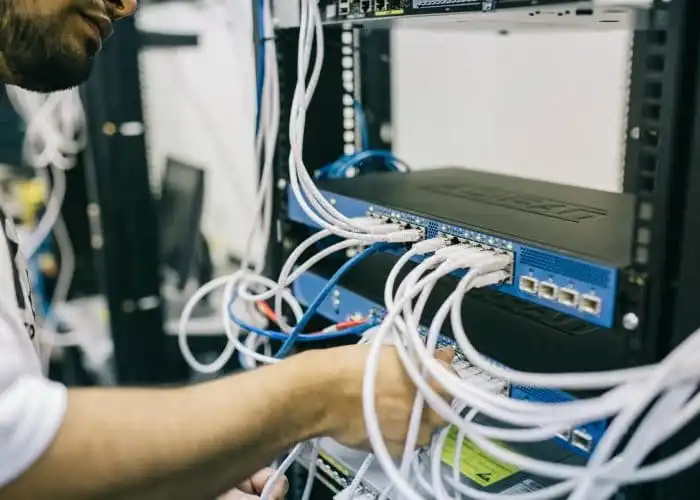
guaranteed IT infrastructure for business

Key components of fault-tolerant infrastructure

Server architecture

Clusters, load balancing and fault-tolerant configurations

Failover solutions

Automatic switching to backup resources in case of failures

Backup

Data protection and fast information recovery

Network security

Network segmentation and protection against external threats

24/7 monitoring

System status control and rapid response

Cloud redundancy

Use of cloud servers for scaling and backup

Why this is critical for business

Even a short IT system failure can lead to customer loss, data loss and financial damage.

Fault-tolerant infrastructure helps ensure business continuity and stability of business processes.

An additional level of protection is provided by system support and maintenance.
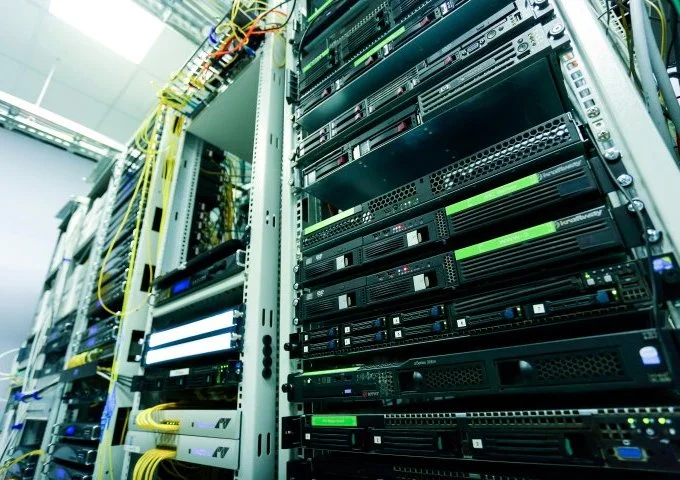
IT system reliability

What you receive

  • guaranteed uptime for business systems
  • minimized downtime and risks
  • automatic recovery after failures
  • protection of critical data
  • readiness for growth and workloads

How the infrastructure is built

Implementation is carried out step by step, taking into account business tasks and reliability requirements.

Audit

Analysis of the current IT infrastructure and risks

Architecture

Design of a fault-tolerant solution

Implementation

Configuration of servers, network and redundancy

Testing

Verification of failure and load scenarios

Support

Monitoring and rapid response 24/7

Optimization

Performance improvement and scaling
fault-tolerant IT infrastructure

Need stable IT infrastructure?

We will assess risks and build a fault-tolerant solution

Result for business

Stable IT infrastructure ensures business continuity and risk control.

  • uninterrupted system operation
  • reduced financial losses
  • protection of business data
  • control and forecasting of failures
  • readiness for scaling

Benefits for roles

Manager

Controls risks and ensures business stability

IT team

Works with a predictable and controlled system

Business

Avoids downtime and revenue losses
  1. What does guaranteed IT infrastructure mean?
    Guaranteed IT infrastructure is a set of technical solutions and approaches that ensure stable and uninterrupted operation of all business systems even in the event of failures, overloads or equipment failures. It includes server redundancy, duplication of critical components, automatic switching (failover) and constant monitoring, which allows minimizing risks and ensuring the continuity of business processes.
  2. How is business continuity ensured?
    Continuity of work is achieved through the use of redundant servers, automatic recovery systems, regular data backups and constant monitoring of the infrastructure. In the event of a failure, the system automatically switches to backup resources, which avoids downtime. Additionally, mechanisms for protection against overloads and cyber threats are implemented, which increases the overall reliability of the IT environment.
  3. Is this suitable for small businesses?
    Yes, modern solutions allow you to adapt a guaranteed IT infrastructure to any business scale. For small businesses, these can be simpler and more economical options using cloud technologies and basic redundancy. At the same time, the company receives the same key benefits - stability of work, data protection and the ability to scale without the need for significant investments at the start.
  4. What result does the company get?
    The company receives stable and predictable operation of IT systems, which directly affects business efficiency. The risks of downtime, data loss and financial losses are reduced, the speed of systems and the level of security increase. This allows you to focus on business development, without wasting resources on solving technical problems and emergencies.